Review: 3D Hey Boo Layered Papercut SVG for Halloween Embroidery
As a designer who spends more time staring at stitch simulations than actual sleep, I approach every new digital embroidery file with a mix of excitement and skepticism. When I first opened the 3D Hey Boo Layered Papercut SVG, my initial reaction wasn't just about the cuteness factor; it was about structural integrity. We are all chasing that perfect handmade product that sells itself on an Etsy shelf or delights a client, but the gap between a vector preview and a stitched reality is where many projects fail. This design, marketed as the epitome of spectral elegance, promises a trendy 3D shadow box aesthetic, but how does that translate when you are actually running a machine?
The Visual Personality and Mood
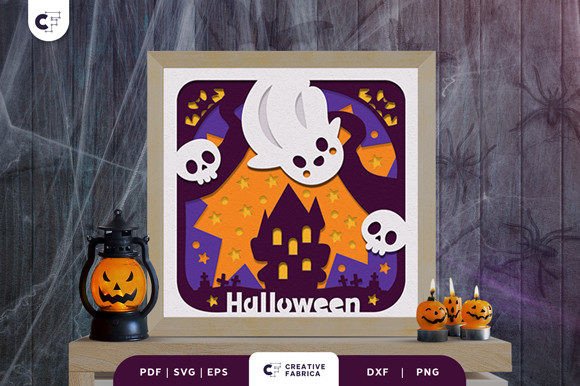
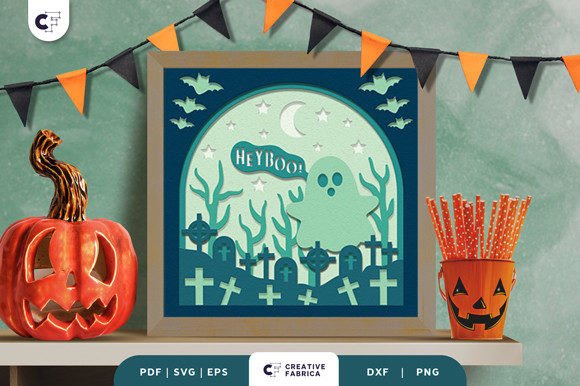
The first thing that strikes you about this design is its playful yet sophisticated mood. It captures the essence of Halloween without relying on the usual gore or overly spooky tropes. The "Hey Boo" typography paired with the tiny ghost creates a narrative that feels welcoming rather than frightening. For a designer, this is crucial because it expands the marketability of the finished product. You aren't just making something for hardcore horror fans; you are creating a personalized gift suitable for nurseries, boutique home decor, and casual fall fashion.
The layered nature of the 3D SVG suggests depth. In a papercut context, this means physical layers of paper. In embroidery, however, we have to simulate this depth through thread placement, density, and potentially appliqué techniques. The layout feels balanced, with the text acting as a sturdy base for the whimsical ghost character. It has a visual personality that says "modern craft," which is exactly what today's consumers are looking for in small shop products.
Real-World Application: The Custom Tote Scenario
To truly evaluate this machine embroidery design, I imagined a specific real-life scenario: a custom order for a local boutique needing a run of limited-edition tote bags for October. The client wanted something that looked high-end but retained a handmade charm. The 3D Hey Boo Layered Papercut SVG seemed like the perfect candidate for a tote bag design.
When visualizing this on a canvas tote, the clean lines of the ghost and the bold lettering would pop beautifully against a natural or black fabric background. The simplicity of the shapes suggests that it would stitch out cleanly, minimizing the risk of thread breaks or bird nests that often plague complex designs. However, the "3D" aspect requires careful thought. If you are attempting to mimic the shadow box look purely with thread, you will need to pay close attention to your stitch density. A flat satin stitch might not give enough lift, so considering a foam underlay or a dense fill stitch could be necessary to create that perceived depth.
For a sweatshirt embroidery project, the softness of the fleece would contrast nicely with the crisp edges of the design. Imagine this on the pocket of an oversized hoodie; it becomes an instant statement piece. The scale of the design appears versatile enough to work here without overwhelming the garment, provided you check the dimensions against your available hoop size.
Technical Considerations and Fabric Challenges
While the aesthetic is strong, practical application requires us to talk about the tricky parts. Not every fabric is ready for a design like this. If you are working with stretchy knits for baby embroidery or custom apparel, the stability of the layers is paramount. The sharp corners in the lettering and the ghost's outline can easily pucker if the stabilizer isn't up to the task. I would strongly advise using a cut-away stabilizer for garments that will see frequent washing, rather than a tear-away, to maintain the shape of the "Hey Boo" text over time.
Textured fabrics present another challenge. If you try this on a waffle knit or a heavy linen, the fine details of the running stitch outlines might get lost in the weave. This design shines best on medium-weight woven cottons, twills, or smooth fleece. Furthermore, if you are planning to use this on a curved surface like a cap, you need to be wary of the distortion. The horizontal alignment of the text might bow if not hooped perfectly straight, ruining the clean geometric feel of the papercut style.
Dark fabrics offer a dramatic backdrop, but they also demand high-contrast thread colors. A white or pastel ghost on black fabric looks striking, but you must ensure your underlay is sufficient to prevent the dark fabric from peeking through the lighter threads. Conversely, stitching this on a light fabric requires precise edge definition to keep the ghost from looking washed out.
Commercial Viability and Brand Consistency
For Etsy sellers and craft business owners, the value of a design lies in its ability to build brand trust. Using a cohesive, high-quality embroidery file like this signals professionalism. It shows that you care about the details. When a customer receives a pillow cover or an embroidered patch with crisp, well-defined stitching, their perception of your brand's quality skyrockets.
This design fits seamlessly into a broader collection of holiday embroidery assets. It's not just a one-off; it's a piece that can be part of a seasonal launch. Whether you are selling physical goods or offering customization services, the "Hey Boo" theme has broad appeal. It works for nursery decor just as well as it does for adult party accessories. This versatility increases the ROI on your design purchase.
However, before listing items for sale, you must verify the licensing terms. Just because a file is available doesn't automatically grant commercial embroidery rights. Always confirm whether you can sell the finished product or if there are restrictions on the number of units. Additionally, if you are selling digital previews, ensure your printable mockup accurately represents the stitch texture, not just the vector art, to manage customer expectations.
Designer Notes for Best Results
If you decide to move forward with the 3D Hey Boo Layered Papercut SVG for your next embroidery project, here is my practical advice based on years of trial and error:
- Test on Scrap First: Never skip the test stitch-out. Use the exact fabric and stabilizer combination you plan to use for the final item to check for puckering or registration issues.
- Check Thread Contrast: Ensure your thread palette provides enough distinction between the layers to achieve the 3D effect visually.
- Review Stitch Density: If the design feels too light, consider adding a second pass of fill stitches or adjusting the density in your editing software.
- Confirm Hoop Size: Verify that the design fits within your smallest hoop if you are doing small batches, or ensure you have a large enough frame for multi-item hooping.
- Inspect Small Details: Pay close attention to the tiny ghost features. If they are too small for your needle size, you may need to simplify the digitizing.
- Mockup in Black and White: View your design in grayscale to ensure the tonal values hold up without relying solely on color.
- Compare Backgrounds: Test the design on both light and dark swatches to see how the visibility changes.
- Verify Licensing: Double-check the usage rights before committing to a large production run for commercial embroidery clients.
In conclusion, the 3D Hey Boo Layered Papercut SVG is a charming and versatile asset for the modern maker. It bridges the gap between trendy digital aesthetics and tactile handmade warmth. With careful attention to fabric choice, stabilization, and thread selection, it has the potential to become a staple in your Halloween collection, delighting customers and elevating your portfolio of design assets. It is a reminder that even the cutest designs require a professional eye to truly shine in the real world.