Review: 3D SVG Christmas Shadow Box for Brands
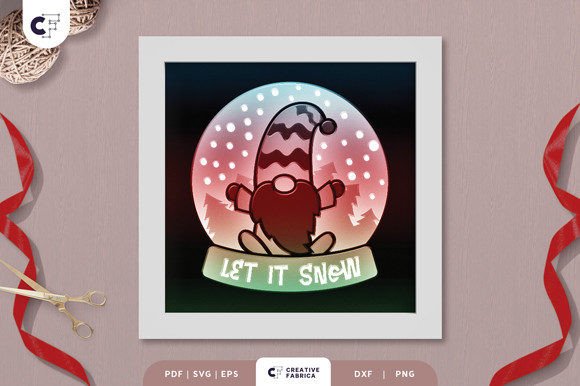
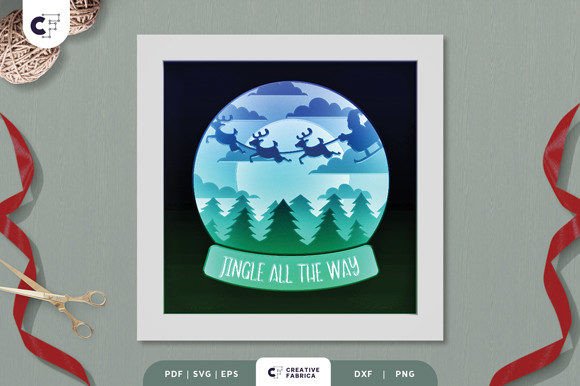
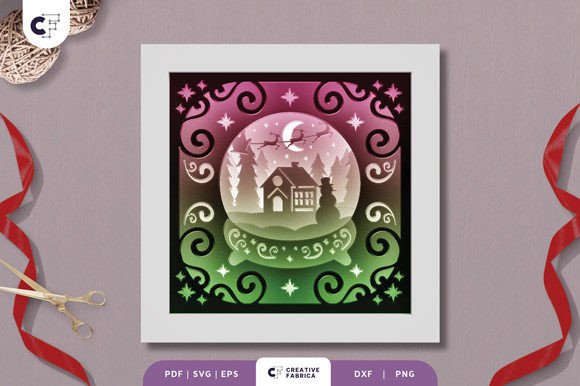
As a brand designer and content marketer, I am constantly scouting for graphic design assets that can elevate a seasonal campaign without sacrificing professional polish. When I first encountered the 3D Shadow Box Christmas Crystal Ball, my immediate reaction was one of intrigue regarding its potential for small business branding. In an era where digital fatigue is real, tactile visuals that suggest depth and craftsmanship often stop the scroll faster than flat vector art. This asset is not merely a holiday decoration; it is a strategic tool for creating marketing visuals that feel premium, handmade, and emotionally resonant.
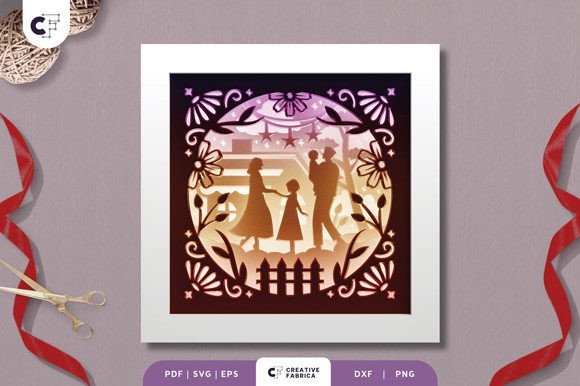
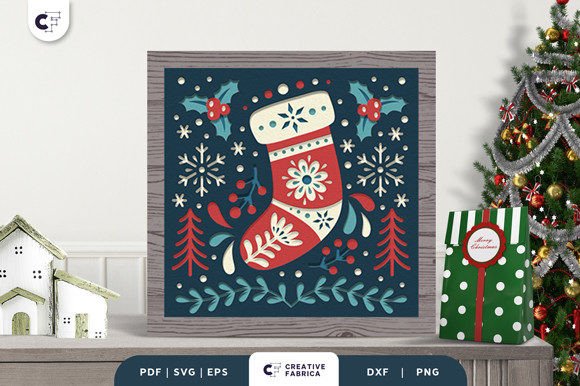
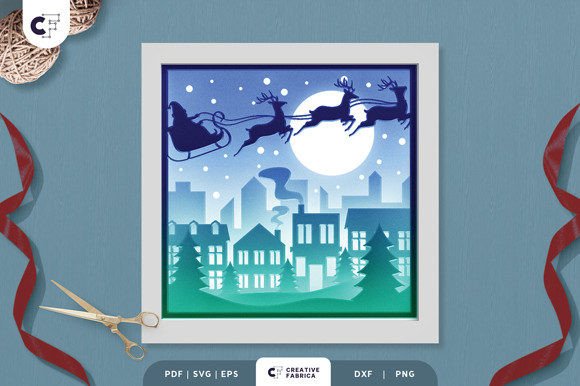
The first impression of this digital product is defined by its intricate layering. Unlike standard clipart that sits flat on a screen, this template offers a sense of dimensionality that mimics physical paper cutting. For a brand owner launching a winter collection or promoting a limited-time holiday offer, this mood is invaluable. It signals care, attention to detail, and a touch of nostalgia. Whether you are curating lifestyle content for Instagram or designing packaging inserts for an e-commerce store, the emotional tone here is warm and inviting. It bridges the gap between casual, friendly branding and high-end, editorial aesthetics, making it versatile enough for boutique shops, creative entrepreneurs, and even corporate holiday greetings that need a human touch.
Integrating Depth into Your Brand Identity
In practical application, the 3D Shadow Box Christmas Crystal Ball performs exceptionally well across various touchpoints of a brand's visual ecosystem. For logo design adaptations during the holidays, this asset can serve as a central motif that transforms a standard mark into a seasonal special edition without losing recognition. When applied to packaging design or product labels, the layered nature of the file allows printers to create actual die-cut effects or embossed textures, turning a simple box into an unboxing experience.
For digital marketers, the utility expands further. Imagine creating social media graphics for a product launch in December. Using this asset as a hero image on a website header or within an email banner immediately establishes a festive context. It works beautifully in editorial design for blog posts discussing year-end reviews or gift guides. Because the file includes formats like SVG, PDF, EPS, PNG, and DXF, it integrates seamlessly into workflows involving Adobe Illustrator, Canva, or Cricut machines. This flexibility means a social media manager can resize the PNG for a Pinterest pin, while a product creator might use the SVG to cut vinyl stickers for merchandise. The result is a cohesive design bundle approach where one asset fuels multiple channels, ensuring visual hierarchy remains consistent from Facebook ads to printable promotions.
Driving Engagement Through Visual Storytelling
The primary marketing goal of any seasonal campaign is to forge a stronger emotional connection, and this is where the 3D Shadow Box Christmas Crystal Ball shines. By introducing a three-dimensional element to your content marketing, you improve audience trust. Consumers perceive brands that invest in unique, high-quality visuals as more established and reliable. This asset supports better product presentation by framing your offerings within a "crystal ball" narrative—suggesting magic, future possibilities, or a perfect gift.
When used in digital ads, the shadow box effect creates a natural focal point. The layers guide the eye inward, much like looking into a real globe, which keeps viewers engaged longer than a static image. This leads to better engagement rates and more memorable campaign visuals. For online coaches or service providers, using this illustration in lead magnets or media kits can soften the corporate edge, making the brand feel more approachable and creative. It turns a standard promotional graphic into a piece of art that people want to save or share, thereby extending organic reach.
Strategic Placement and Design Limitations
While this asset is powerful, knowing where to place it is crucial for maintaining professional branding. It works best as a hero graphic, a campaign header, or a decorative brand element in content bundles. It is ideal for product launch visuals where the focus is on atmosphere rather than dense data. However, caution is required when applying it to formal corporate branding that demands strict minimalism. If your brand identity relies on stark, ultra-modern lines, this intricate shadow box might feel too ornate.
Furthermore, avoid using it in text-heavy ads or small mobile graphics where the fine details of the layers might blur or become indistinguishable. On low-contrast backgrounds, the subtle shadows that give the 3D SVG its depth may get lost, so always test it against your specific brand color palette. It should never compete with the main message; instead, it should frame it. If the crystal ball becomes the loudest element in a web design layout, it risks distracting from the call to action.
Designer Notes for Flawless Execution
To maximize the value of the 3D Shadow Box Christmas Crystal Ball, I recommend a few practical steps before finalizing your campaign. First, test the asset in black and white to ensure the silhouette holds up for monochrome printing or grayscale social posts. Second, place it inside real campaign mockups to see how the lighting interacts with the "layers." Preview your designs on mobile screens to confirm readability, as complex illustrations can sometimes clutter smaller displays.
Typography pairing is also essential. This illustration pairs wonderfully with elegant serif fonts for a classic look, or clean sans serif fonts for a modern twist. Script and handwritten fonts can enhance the handmade feel, but ensure they don't clash with the geometric precision of the square template. Finally, always review the licensing terms. While this is a fantastic resource for commercial design, confirming the commercial license is mandatory before using it in paid campaigns, client work, or for creating items for resale. By treating this creative design element with strategic intent, you transform a simple holiday template into a cornerstone of your seasonal brand story.