3D SVG Shapes: A Designer's Mandala Review
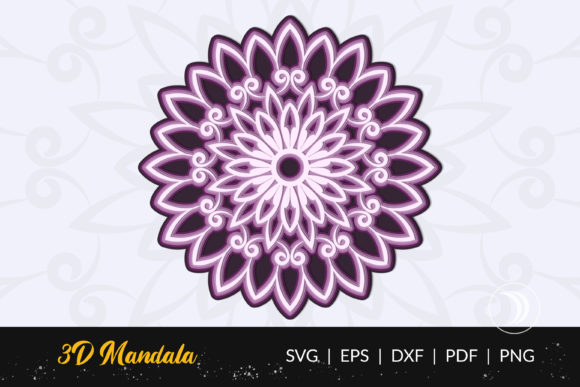
As a brand designer who has spent years refining visual identities for local businesses, I approach every new graphic design asset with a critical eye. It is not enough for a file to look pretty on a screen; it must perform under the pressure of real-world application. Recently, I evaluated the 3D Multilayer Mandala Cut File for a potential project involving a boutique artisanal soap brand. My goal was to determine if this asset could elevate their brand identity from simple handmade goods to a premium shelf presence. The first impression was immediate: this is not just a flat illustration, but a tool for creating depth and texture that digital screens often lack.
The mood this asset creates is distinctly elegant yet grounded in tradition. Mandalas inherently suggest balance, harmony, and intricacy, which aligns perfectly with brands selling wellness products, organic foods, or handcrafted home decor. When viewing the layers, the design feels both decorative and structural. It suggests a brand personality that is thoughtful, detailed, and perhaps a bit spiritual or holistic. For a local business trying to stand out in a crowded market, this kind of visual language can communicate quality before the customer even touches the product. It strikes a balance between being feminine and soft, while the geometric precision keeps it modern and professional.
Elevating Packaging Design with Dimensional Depth
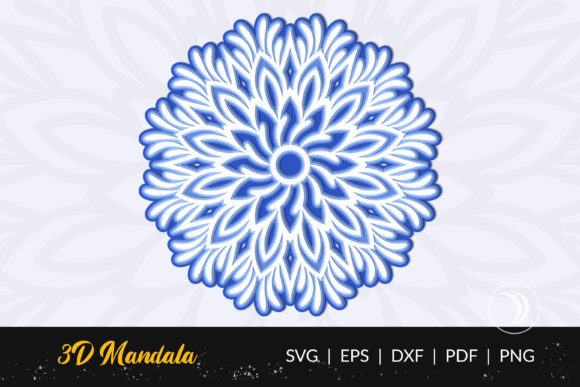
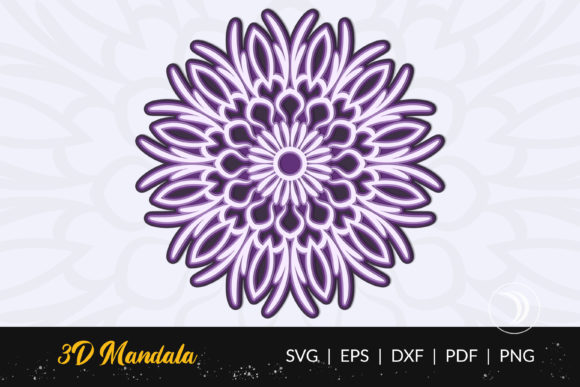
The primary strength of this 3D SVG lies in its ability to transform flat packaging into a tactile experience. In my review for the soap brand, I envisioned using these layers to create a custom embossed effect on their box lids. This 3D Multilayer Cut file can create a stunning dimensional look by stacking several layers on top of each other. By cutting these layers from different weights of cardstock or using varying shades of the brand's primary color, we can achieve a shadow-box effect that screams luxury. This technique is particularly effective for packaging design where unboxing is part of the customer journey.
Beyond the box, the asset works beautifully as a focal point on a product label. For small jars or bottles where space is limited, a single layer of the mandala can serve as a sophisticated background pattern, allowing the logo to sit cleanly in the center. Alternatively, using the full stack as a seal on the lid adds a sense of authenticity and care. This approach supports small business branding by improving shelf appeal; when a customer scans a row of products, the one with visible depth and intricate detail naturally draws the eye. It creates a stronger first impression and fosters immediate product recognition.
Versatility Across Marketing Visuals and Social Media
A robust graphic design asset must work across various mediums, and this file delivers. For social media graphics, the layered nature allows for dynamic animation. A marketer could separate the layers in editing software to create a subtle rotating effect for Instagram Stories or TikTok, adding movement to static posts. This keeps the marketing visuals fresh and engaging without requiring complex motion graphics skills. Furthermore, these Shapes are ideal for creating cohesive promotional materials like thank-you cards, flyers, and posters.
I also see immense value in using this for seasonal campaign visuals. Because the mandala is symmetrical and ornate, it can be colored to match specific holidays—gold and green for winter, pastels for spring—without losing its structural integrity. This flexibility is crucial for handmade business owners who need to pivot their branding quickly for limited-edition drops. Whether used as a watermark on website banners or as a decorative border on menu graphics for a cafe, the asset provides a consistent visual thread that ties the entire brand identity together. It helps establish a clearer visual hierarchy, guiding the viewer's eye to the most important information while surrounding it with beauty.
Strategic Placement and Design Constraints
However, a professional review must also address where this asset should be used carefully. The intricate details of a multilayer mandala can become muddy if applied to very small labels or crowded product packaging. If the scale is too small, the negative space between the layers may disappear during printing, resulting in a solid blob rather than a delicate pattern. Therefore, it is essential to test the resolution and line weight before committing to a large print run. Additionally, this design might compete with ingredient-heavy layouts or legal information areas. In editorial design or dense informational sheets, simplicity is key, and such a bold decorative element could distract from critical text.
Furthermore, this asset may not suit every brand aesthetic. Luxury minimalist brands that rely on stark whitespace and simple typography might find the mandala too busy or ornate. Similarly, for formal corporate branding, the spiritual or decorative connotations of a mandala might feel out of place. It is also vital to consider contrast; placing light-colored layers on a low-contrast background will render the 3D effect invisible. The goal is to enhance the message, not overpower it. Designers must ensure that the decoration supports the professional branding goals rather than becoming the sole focus.
Practical Notes for the Commercial Designer
Before integrating this into a client project, there are several practical steps I recommend. First, always test the file on real product mockup scenarios. Digital proofs can be deceiving; seeing how the layers interact with physical materials like kraft paper, glossy vinyl, or matte cardboard is essential. Check the black and white usage to ensure the design holds up without color, which is often necessary for cost-effective printing or faxed documents. Preview the asset on small labels to verify legibility.
Color testing is equally important. Experiment with the layers using the brand's specific palette to see if the depth is maintained. Compare the result with competitor packaging to ensure distinctiveness. When pairing this asset with typography, I found it works well beside serif fonts for a classic look, or script fonts for a personal touch, but it can also anchor bold sans serif fonts for a modern vibe. Always inspect the SVG design files for editability; ensure paths are clean and nodes are optimized for cutting machines. Finally, and most critically, confirm the commercial license terms. Using a digital product from a creative marketplace for client work or physical product sales requires clear permission to avoid legal issues.
In conclusion, the 3D Multilayer Mandala Cut File is a powerful tool for designers looking to add depth and character to local business projects. These Layered SVG files are compatible for use with Cricut, Silhouette machines and standard vector editing software, making them accessible for both high-end production and DIY crafting. When used with intention and strategic foresight, it transforms simple design assets into a cohesive brand experience that builds trust and emotional connection with customers.