Review: 3D SVG Shapes for Layered Mandala Projects
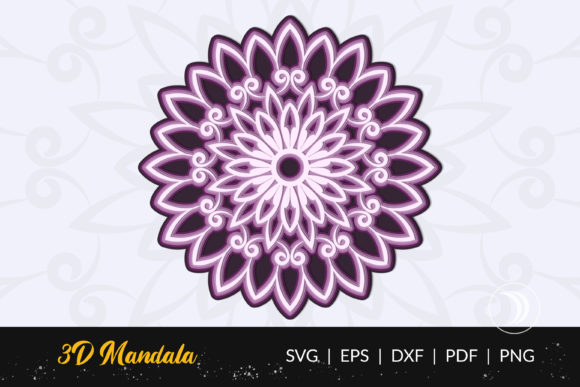
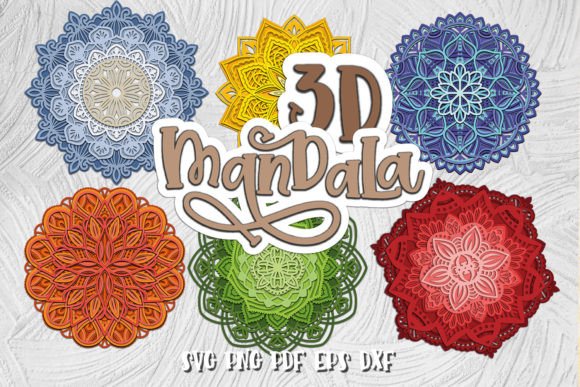
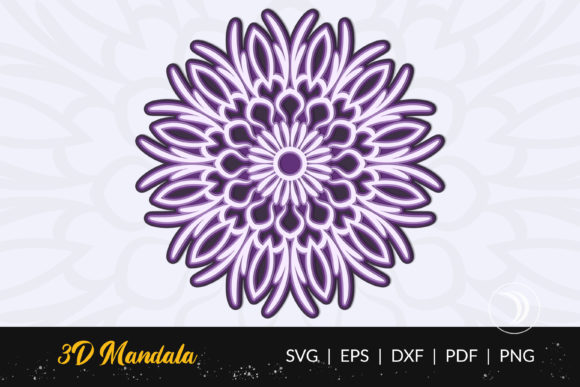
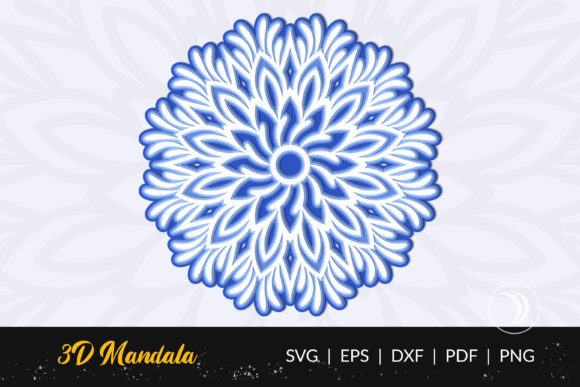
As a graphic designer constantly balancing aesthetic trends with practical client needs, my first impression of the 3D Multilayer Mandala SVG Cut File was one of intricate potential. Upon opening the file, the immediate mood it projects is one of bohemian elegance mixed with structural precision. It does not feel like a flat, one-dimensional clipart piece; rather, it possesses a depth that suggests movement and texture even before physical production begins. This visual weight makes it an ideal candidate for projects requiring a touch of sophistication without crossing into overly ornate territory. For a recent project involving a boutique wellness brand launching a new line of aromatherapy candles, this asset immediately stood out as a strong contender for the primary packaging motif.
Elevating Brand Identity Through Dimensional Depth
In the realm of small business branding, standing out on a crowded shelf is paramount. The 3D Multilayer Mandala SVG Cut File excels here because it transforms standard packaging design into a tactile experience. When I tested this asset for the candle label concept, the ability to stack layers allowed us to create a shadow effect that mimicked high-end embossing. This is where the true value of 3D SVG technology shines; it bridges the gap between digital graphic design assets and physical product reality. For brands focusing on handmade business aesthetics, such as Etsy sellers or local artisans, this level of detail signals quality and care to the consumer.
Beyond packaging, this file performs exceptionally well in logo design scenarios where the brand identity leans towards spirituality, yoga, or holistic health. The geometric symmetry of the mandala provides a stable foundation, while the layered approach adds a modern twist to a traditional symbol. However, when utilizing this for a logo design, one must be cautious about scalability. While it looks magnificent as a hero graphic on a website header or a large poster, simplifying the layers might be necessary for favicon sizes or small social media avatars to maintain visual hierarchy.
Versatility Across Digital and Physical Mediums
The adaptability of this digital product extends far beyond simple cutting machines. In my workflow, I often repurpose SVG design files for various marketing visuals. For instance, using the individual layers as separate elements in a Canva template allows for dynamic social media graphics. You can animate these layers slightly for Instagram Stories or use them as watermarks for printable design journals. The file is equally robust for sublimation design on tumblers and tote bags, where the separation of colors inherent in the layers simplifies the setup process for heat press applications.
For those running a print-on-demand store, this asset is a goldmine for t-shirt design and merchandise. The clean lines ensure that when printed on fabric, the details do not bleed together, preserving the integrity of the mandala's complex geometry. Furthermore, because these are vector-based Shapes, they can be recolored instantly to match any seasonal campaign or specific brand palette, making it a versatile tool in a designer's arsenal for creating cohesive design bundles.
Strategic Placement and Design Constraints
While the 3D Multilayer Mandala SVG Cut File is powerful, it demands respect regarding placement. It works best in large layout areas where the eye has room to travel across the intricate details. It serves beautifully as a decorative accent on invitation suites or as a focal point in editorial design for magazines focusing on lifestyle and culture. However, there are situations where this asset should be used carefully. Placing it over busy backgrounds or within cramped layouts can destroy its impact, leading to visual noise rather than harmony.
Designers should avoid using this in minimalist corporate materials where stark simplicity is the goal. The complexity of the mandala can clash with very clean, sans-serif heavy corporate identities unless used very sparingly as a subtle texture. Additionally, in low-contrast designs, the fine lines of the inner layers may get lost, reducing the effectiveness of the 3D illusion. It is crucial to ensure that the contrast between the layers and the background is sufficient to maintain readability and recognition.
Technical Considerations for Professional Execution
Before committing this asset to a final client deliverable, several practical designer notes must be addressed. First, always test the design in black and white. If the layers do not distinguish themselves clearly without color, the structural integrity of the design may be weak. Second, check the contrast on both light and dark backgrounds; a white mandala on a cream background might look elegant on screen but disappear entirely in print. Previewing the file at both very small and very large sizes is essential to gauge where the details begin to break down.
When preparing for production, place the design on real product mockups to see how light and shadow interact with the proposed layers. If you are using this for a Cricut project or Silhouette cut, verify the cut settings for the specific material, as intricate Shapes can sometimes weed poorly if the material is too thick or the cuts are too tight. Review the file formats provided; while SVG is standard, ensuring you have access to PNG versions with transparency can speed up workflows for web designers who may not need to edit the vectors.
Typography pairing is another critical factor. This mandala pairs wonderfully with serif fonts that echo its classic roots or handwritten fonts that add a human touch. However, pairing it with a heavy display font can make the overall composition feel too crowded. Finally, and perhaps most importantly, always confirm the commercial license before using this for a client project. Understanding the terms of use ensures that your commercial design work remains legally sound and protects both you and your client.
Final Verdict on Visual Impact and Trust
Ultimately, the 3D Multilayer Mandala SVG Cut File is more than just a decorative element; it is a tool for building emotional appeal and brand trust. When executed correctly, it elevates a project from generic to bespoke. The dimensional look created by stacking layers adds a perceived value to the final product, whether it is a physical item or a digital advertisement. For designers looking to inject a sense of calm, balance, and artistic flair into their work, this asset offers a reliable and high-quality solution. By respecting its complexities and leveraging its strengths in appropriate contexts, you can create creative design outcomes that resonate deeply with audiences and stand the test of time in a competitive marketplace.