Layered Bass Key Round: A 3D Musical Design Review
As a designer who spends more time at the hoop than away from it, I am always skeptical of "layered" designs until I see how they translate from screen to stitch. When I first opened the Layered Bass Key round file, my immediate reaction was one of curiosity mixed with practical caution. This isn't just a flat graphic; it is a 3D SVG asset built for depth, specifically categorized under Shapes but carrying a distinct musical personality. The concept of stacking seven distinct layers to create a bass clef is ambitious, and for those of us running small shops or creating high-end personalized gifts, the execution matters more than the idea.
First Impressions and Visual Personality
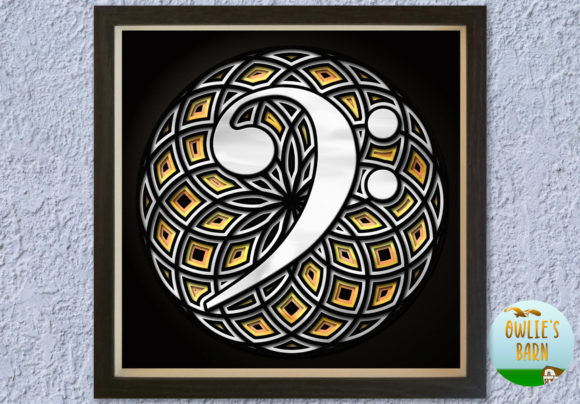
The mood this design creates is sophisticated yet playful. Unlike standard single-run embroidery files that rely solely on thread color for dimension, the Layered Bass Key round demands interaction. The circular layout frames the iconic musical symbol perfectly, making it an ideal candidate for badges, patches, or central motifs on apparel. Visually, it feels substantial. In a digital preview, the separation between the seven layers suggests a tactile quality that flat satin stitches simply cannot achieve. For an Etsy seller looking to differentiate their handmade product listings, this kind of visual weight can be the difference between a browser scrolling past and a customer clicking "buy."
The design leans heavily into the realm of modern boutique branding. It doesn't scream "school band"; instead, it whispers "music lover's lifestyle brand." This subtle shift in tone opens up a wider market for commercial embroidery projects, ranging from studio merchandise to high-end nursery decor.
Real-World Application: The Boutique Sweatshirt Scenario
To truly evaluate this embroidery file, I imagined a specific real-life scenario: a custom order for a local music teacher who wanted a signature look for her studio's winter collection. She requested a design for heavy-weight fleece sweatshirt embroidery. This is where the Layered Bass Key round shines. On thick fabric, the potential for using spacers between the seven layers becomes a game-changer. By physically separating the layers during assembly—perhaps using foam adhesive or even stitching through multiple passes with build-up—the design pops off the chest of the garment.
If I were producing this for a client, I would likely treat it less like a traditional machine run and more like an applique design construction project. The layers allow for a mix of textures. Imagine the base layer in a matte black thread, followed by mid-tones, and finishing with a glossy top layer. This interplay of light and shadow adds immense value to the finished product. Customers are willing to pay a premium for items that feel engineered rather than just decorated. For a craft business, this translates to higher profit margins on items like tote bags, caps, or even structured pillows.
Navigating Technical Challenges and Fabric Choices
However, enthusiasm must be tempered with technical reality. Working with a seven-layer structure introduces complexity that a standard fill stitch or running stitch pattern does not. The primary concern here is stitch density and bulk. If you attempt to stitch all seven layers directly onto a thin fabric, such as a lightweight t-shirt or a delicate baby onesie, you risk creating a stiff, puckered mess that is uncomfortable to wear.
For baby embroidery or soft goods, I would strongly advise reducing the number of active layers or using this design strictly as a printed element rather than a stitched one. If you do proceed with stitching on softer materials, your choice of stabilizer is critical. A cut-away stabilizer is non-negotiable here to support the weight of the stacked threads. Furthermore, when working on curved surfaces like caps, aligning seven distinct layers requires precision jigs and patience. The margin for error shrinks with every added layer.
Another consideration is the hoop size. While the exact dimensions depend on the specific scaling you choose, circular designs often require careful positioning to ensure the outer rings don't get clipped by the hoop frame, especially on smaller machines. Always check the bounding box of the digital embroidery file before committing to a specific garment size.
Enhancing Brand Value and Customer Trust
From a branding perspective, the Layered Bass Key round offers a unique opportunity for consistency. Because it is a shape-based design, it scales well for various design assets. You can use the full seven-layer version for a large back-print on a jacket and a simplified three-layer version for a sleeve logo, maintaining brand recognition without overwhelming the fabric. This flexibility helps build trust with customers who expect professionalism across all touchpoints.
When presenting this in a printable mockup or online store, emphasize the 3D nature of the product. Photos should be taken at an angle that catches the shadows between the layers. This visual proof of quality reassures buyers that they are purchasing a superior small shop product, not a mass-produced decal. For holiday embroidery gifts, such as a ornament for a musician or a personalized apron for a cooking-show-loving pianist, the tactile nature of this design makes it feel like a heirloom item.
Practical Notes for the Professional Embroiderer
Before integrating the Layered Bass Key round into your production line, there are several steps you must take to ensure success. First, never skip the test run. Stitch the design on a scrap piece of the actual fabric you intend to use. Pay close attention to how the thread colors contrast; with seven layers, muddy colors can blend together and lose definition.
- Check Thread Contrast: Ensure each layer is distinct. Consider using variegated threads for specific layers to add organic movement.
- Review Stitch Density: If the design feels too stiff after testing, consider reducing the fill density in your editing software.
- Inspect Small Details: Look for loose jumps or trims between layers that might need manual cleaning.
- Mockup Testing: Create black and white mockups to verify that the shape holds up even without color differentiation.
- Licensing Verification: The product description notes formats included in the downloadable ZIP file are AI 202. This is crucial. AI files are vector graphics, not native machine embroidery formats like PES or DST. You will need to digitize these vectors into stitch files yourself or use a conversion tool. Confirm the licensing terms regarding whether you can sell the digitized stitch files or only the physical finished items.
It is vital to understand that since the provided format is AI 202, this product serves as a master design asset for digitizers or those with software capable of converting vectors to stitches. It is not a "drag-and-drop" machine file out of the box. This actually adds value for professional embroidery designers who want full control over the stitch types (satin vs. fill) and underlay settings for specific fabrics.
Final Verdict on Usability
The Layered Bass Key round is a powerful tool in the right hands. It is not a beginner-friendly, quick-stitch project. It requires planning, material selection, and an understanding of how 3D construction works in textiles. However, for those willing to put in the prep work, the payoff is a stunning, textured piece that elevates any custom apparel or home decor item. Whether you are creating a statement embroidered patch for a jazz festival or a subtle accent on a boutique tote bag design, this shape offers the versatility and depth needed to stand out in a crowded market. Just remember to respect the layers, choose your fabrics wisely, and always test before you commit to the final stitch.