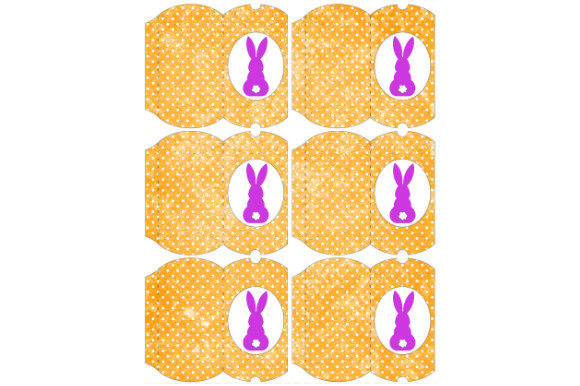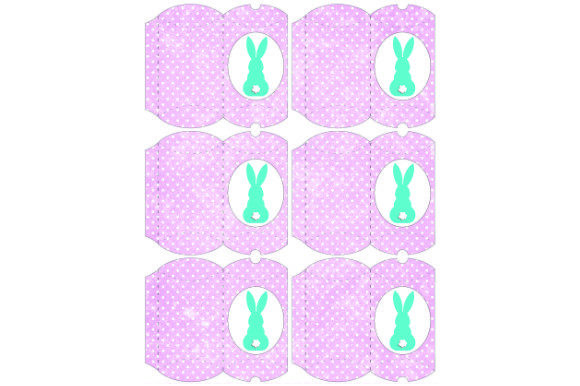
Pillow Boxes Bunny a.14: A Designer's Practical Review
As someone who spends most of their day staring at digitized files and analyzing stitch paths, I approach new machine embroidery design acquisitions with a healthy dose of skepticism. We have all bought a file that looked adorable on the screen but turned into a bird's nest on the hoop. Today, I am breaking down Pillow Boxes Bunny a.14, not just as a digital asset, but as a viable component for real-world craft business items and personalized gifts.
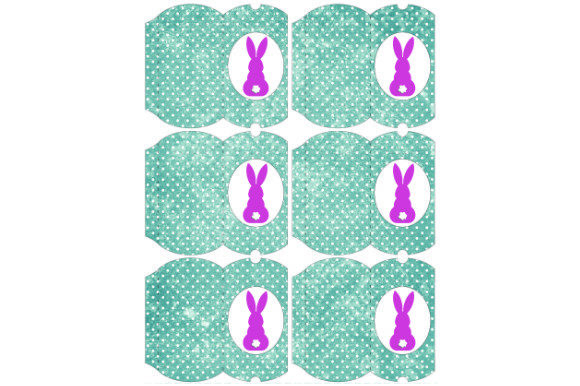
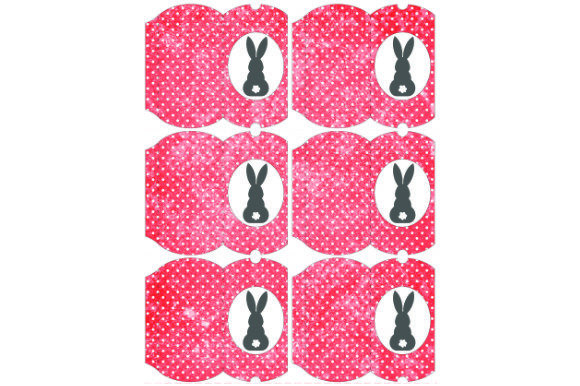
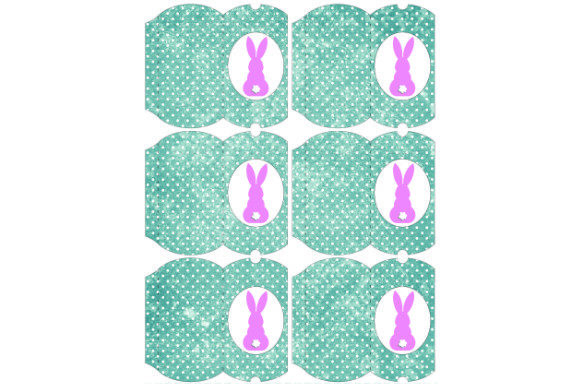
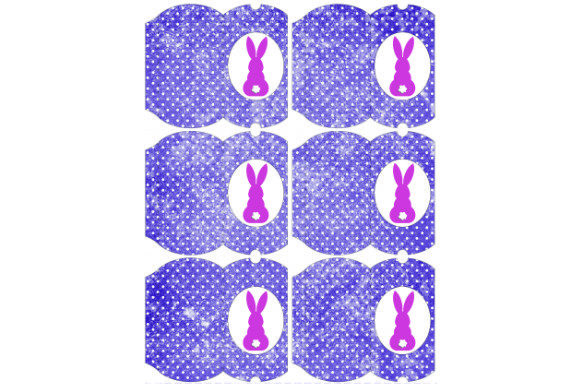
My first impression of Pillow Boxes Bunny a.14 is one of delicate charm. The mood it creates is distinctly soft and celebratory, leaning heavily into the aesthetic of spring holidays, baby showers, and boutique gifting. Visually, the layout feels balanced, avoiding the clutter that often plagues smaller themed designs. For an Etsy seller or a handmade shop owner, this visual personality is crucial; it signals quality before the customer even touches the finished product. However, because this is categorized under Gift Boxes and described as a set of tiny printable pillow boxes, we need to discuss how this translates from a 3D SVG concept to actual thread on fabric.
Translating Digital Concepts to Stitched Reality
The product description highlights these as "tiny" and perfect for favor boxes. In the world of physical embroidery, "tiny" is a double-edged sword. When I imagine using Pillow Boxes Bunny a.14 in a real-life scenario, I picture a custom embroidered tote bag for a local boutique or a series of matching aprons for a bridal party. The design's simplicity is its greatest strength here. It avoids overly dense fill stitch areas that might make small details stiff or prone to puckering.
Let's consider a specific case: preparing a custom sweatshirt embroidery order for a client launching a spring collection. If I were to place this bunny motif on the left chest area, the clean lines would likely hold up well against the texture of fleece or French terry. The design does not appear to rely on microscopic satin stitch columns that would vanish on textured fabrics. Instead, it seems to utilize a mix of running and satin techniques that maintain clarity. This is vital for commercial embroidery projects where consistency across dozens of units is non-negotiable.
For those creating baby embroidery items, such as onesies or burp cloths, the scale of Pillow Boxes Bunny a.14 feels appropriate. It is large enough to be recognized instantly but small enough not to overwhelm a tiny garment. The "cute" factor mentioned in the description translates well to thread colors; pastels like mint, blush, and soft yellow would work beautifully, but the design is robust enough to handle high-contrast combinations if you are aiming for a bolder look on a tote bag design.
Technical Considerations for the Working Embroiderer
While the aesthetic appeal is clear, practical application requires a critical eye. There are specific scenarios where Pillow Boxes Bunny a.14 demands caution. If you are working with stretchy fabrics like jersey knits or thin linens, the stitch density becomes a major concern. Even a well-digitized design can cause distortion if the fabric cannot support the thread weight. I strongly advise testing this design on scrap fabric identical to your final material before committing to a client order.
Furthermore, the mention of "tiny" in the product context suggests we are dealing with fine details. On dark fabrics, you must ensure your underlay is sufficient to prevent the background color from showing through the lighter threads. If the design includes any minute text or extremely fine borders, these could get lost on a curved surface like a cap or a structured hat. For headwear, I would recommend resizing the artwork slightly larger than intended to preserve the integrity of the outlines.
Another area for careful evaluation is washability. Products like kitchen towels, aprons, and baby clothes undergo frequent laundering. Dense clusters of stitching can trap water and take longer to dry, or worse, degrade over time. Before selling this as part of a small shop product line, run a wash test. Check if the edges fray or if the stabilizer residue remains visible after the first cycle. Using a high-quality cut-away stabilizer is likely necessary for garments that will see heavy use, whereas a tear-away might suffice for decorative wall hangings or occasional-use gift items.
Enhancing Brand Value and Customer Trust
In the competitive landscape of handmade goods, the choice of design assets directly impacts brand perception. Using a cohesive, professional-looking motif like Pillow Boxes Bunny a.14 elevates the perceived value of your handmade product. It moves the item from a "homemade craft" to a "boutique creation." Customers trust products that look intentional and polished. If the stitching is crisp and the design placement is thoughtful, it reinforces the idea that the maker cares about quality.
This design also offers versatility for holiday embroidery beyond just Easter. With the right color palette, it could fit into general spring decor or nursery themes. For digital product sellers creating printable mockups, this design serves as an excellent visual element to showcase potential applications without needing to stitch every single variation physically. It helps buyers visualize the end result, whether that is an embroidered patch or a direct-to-garment application.
Final Verdict and Designer Notes
To get the best results from Pillow Boxes Bunny a.14, treat it as a flexible tool in your arsenal rather than a one-size-fits-all solution. Here are my practical recommendations for integrating this into your workflow:
- Test First: Always stitch out a sample on scrap fabric to check tension and registration before starting a production run.
- Check Contrast: Review how the design looks in black and white mockups to ensure the shapes remain distinct without relying on color.
- Fabric Matching: Compare the design on both light and dark backgrounds; you may need to adjust thread weights or add a backing layer for dark materials.
- Stabilizer Selection: Match your stabilizer to the fabric weight—heavier knits need cut-away, while stable wovens can often use tear-away.
- Licensing Verification: Since this is a digital asset potentially used for craft business purposes, confirm the licensing terms regarding commercial sales of finished items versus digital redistribution.
- Hoop Size Confirmation: Ensure your machine's hoop size accommodates the design dimensions, especially if you plan to add monograms or dates alongside the bunny motif.
Ultimately, Pillow Boxes Bunny a.14 appears to be a solid choice for decorators looking to add a touch of whimsy to their repertoire. It bridges the gap between digital convenience and tactile beauty, provided the user respects the technical limitations of their materials. Whether you are creating a single personalized gift or stocking inventory for a busy season, this design has the potential to deliver professional results that resonate with buyers.