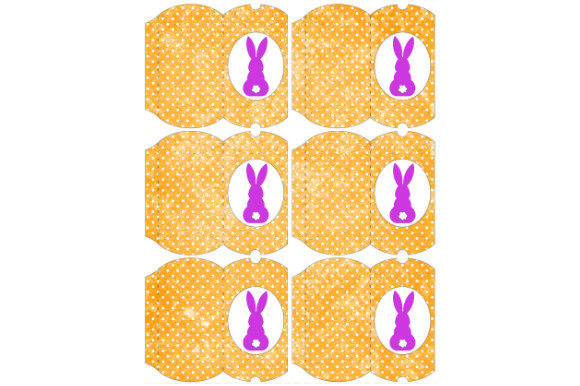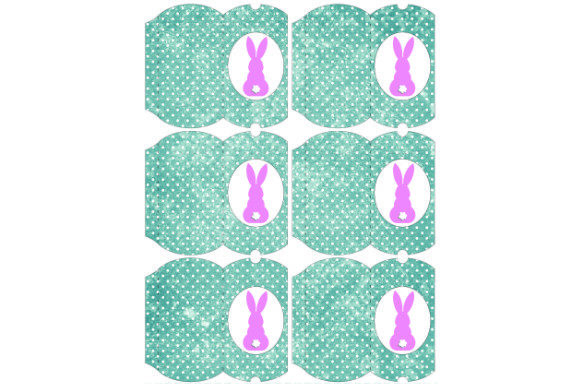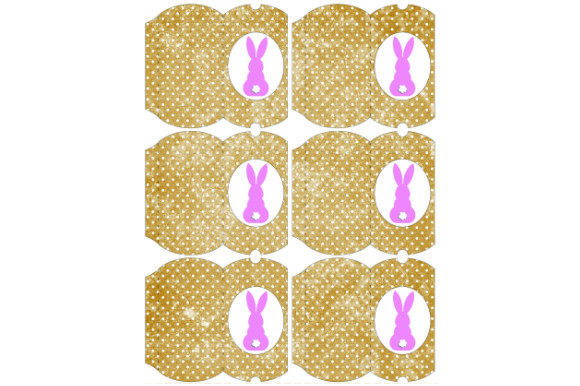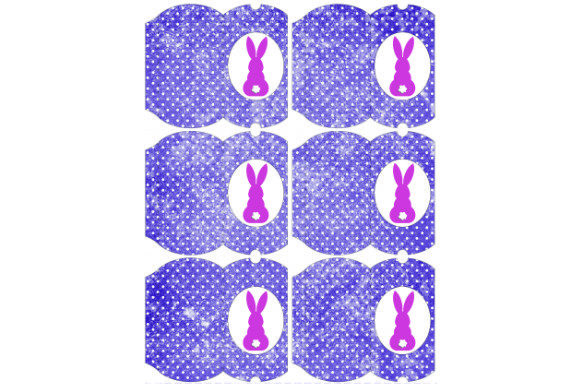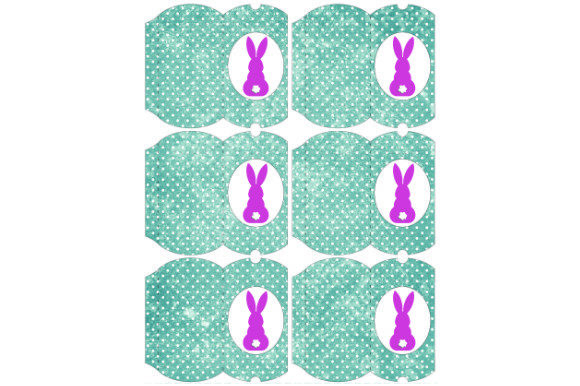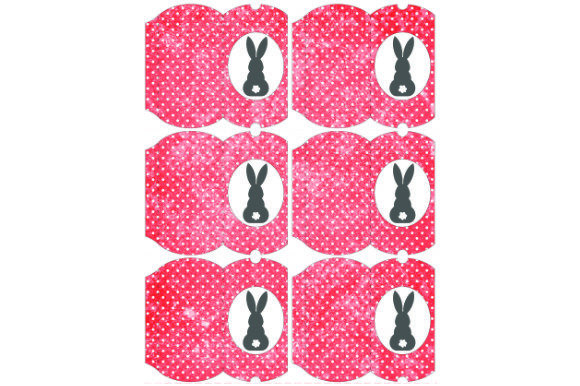
Pillow Boxes Bunny C.6: A Designer's Review for Spring Projects
As a designer who spends more time staring at stitch maps than most people care to admit, I approach every new machine embroidery design with a mix of excitement and skepticism. We have all been burned by files that look crisp on the screen but turn into a bird's nest of thread breaks and puckering on the hoop. So, when I got my hands on the Pillow Boxes Bunny C.6, I didn't just look at the preview image; I started thinking immediately about fabric tension, underlay stability, and where this specific motif would actually shine in a real-world embroidery project.
The first thing that strikes you about Pillow Boxes Bunny C.6 is its inherent charm without being overly childish. It carries a soft, whimsical mood that feels perfectly suited for the spring season or Easter celebrations. However, unlike some novelty designs that rely on heavy, dense fills which can stiffen delicate fabrics, this design seems to balance detail with breathability. The layout suggests a clean silhouette, likely utilizing a combination of satin stitch for the outlines and perhaps a lighter fill stitch for the body, though one must always verify the specific stitch types in the file properties before loading it onto the machine.
Real-World Application: From Screen to Stitch
To truly evaluate the potential of this design, I imagined a specific scenario: a small boutique owner preparing a limited run of personalized tote bags for a local farmer's market. In this context, Pillow Boxes Bunny C.6 isn't just a graphic; it is a brand asset. If stitched onto a natural canvas tote, the bunny motif adds a touch of handmade warmth that mass-produced prints simply cannot replicate. The scale of the design appears appropriate for the center panel of a standard tote or perhaps the chest pocket of a linen apron.
For an Etsy seller looking to expand their craft business, this type of imagery is gold. It fits seamlessly into the "cottagecore" aesthetic that remains incredibly popular. Imagine this bunny embroidered on a muslin drawstring bag, paired with a handwritten tag. The visual appeal here drives customer trust; it signals that care was taken in the creation of the handmade product. When a customer sees clean, well-defined stitching on a item like this, they perceive higher value, which can justify a premium price point for your small shop product.
Beyond apparel and bags, consider the realm of nursery decor. A baby embroidery project featuring this bunny on a receiving blanket or a bib would be a hit. The soft curves of the design likely translate well to plush fabrics like minky or fleece, provided the correct stabilizer is used to prevent the design from sinking into the pile. It creates an instant emotional connection, making it an ideal choice for personalized gifts that parents will want to keep as keepsakes rather than discard after a single use.
Navigating Technical Challenges and Fabric Choices
While the aesthetic is delightful, a professional reviewer must address the technical realities. Not every fabric plays nice with every embroidery file. If you are planning to use Pillow Boxes Bunny C.6 on stretchy materials like jersey knit for a t-shirt or a sweatshirt, you need to be vigilant about registration. Stretch fabrics can cause designs to warp if the stitch density is too high or if the stabilizer is too light. I would strongly recommend testing this design on a scrap piece of your intended fabric first. Check how the corners hold up; sharp angles in embroidery often pull inward if the tension isn't perfect.
Curved surfaces present another hurdle. If you are attempting to place this on a cap, the curvature of the front panel can distort the image. The bunny's features might look elongated or compressed depending on the angle of the hoop. For caps, it is often better to choose designs with simpler lines, so proceed with caution here. Similarly, dark fabrics require careful consideration of thread colors. A light-colored bunny on a navy blue background will pop beautifully, but ensure your machine settings account for the contrast to avoid shadowing from the underlay showing through the top threads.
Another critical factor is washability. If this design is intended for custom apparel like kitchen towels or frequently worn shirts, the durability of the stitches matters. Dense areas can become stiff and uncomfortable against the skin, while very open running stitches might snag. Before committing to a large production run of commercial embroidery, wash and dry a test sample multiple times. Does the design pucker? Do the threads fray? These are the questions that separate a hobbyist attempt from a professional finished product.
Enhancing Brand Consistency and Marketability
From a branding perspective, consistency is key. If you are building a collection around spring themes, Pillow Boxes Bunny C.6 can serve as a cohesive element across different items. You could feature it on a patch, a pillow cover, and a tea towel, creating a unified look for your boutique. This repetition helps with brand recognition. Customers begin to associate that specific style of bunny with your shop, increasing buyer engagement and repeat purchases.
It is also worth noting the versatility of this design for digital marketing. Even before you stitch a single thread, this motif works wonderfully in printable mockups. You can superimpose the design onto product photos to create listings for pre-orders, gauging customer interest without tying up inventory. For digital product sellers, offering this as part of a bundle of design assets could be lucrative, provided the licensing terms allow for such distribution. Always confirm the license before selling finished items or digital products to ensure you are compliant with the creator's rules.
Final Verdict and Practical Tips
In summary, Pillow Boxes Bunny C.6 offers a charming, versatile option for those looking to inject some seasonal spirit into their work. Its strength lies in its adaptability across various mediums, from tote bag design to holiday embroidery projects. However, success relies on preparation.
- Test First: Always stitch out on scrap fabric matching your final material weight.
- Check Contrast: Ensure your thread palette provides enough definition against the fabric background.
- Stabilize Properly: Use cut-away stabilizer for stretchy fabrics and tear-away for stable wovens.
- Review Details: Zoom in on the small details like eyes or ears to ensure they won't merge during stitching.
- Verify Licensing: Double-check usage rights for commercial sales.
Ultimately, the value of any digital embroidery file is determined by how well it executes on the machine and how it resonates with the end user. With careful attention to fabric texture and machine setup, this bunny design has the potential to become a staple in your spring collection, delighting customers with its playful yet polished appearance.