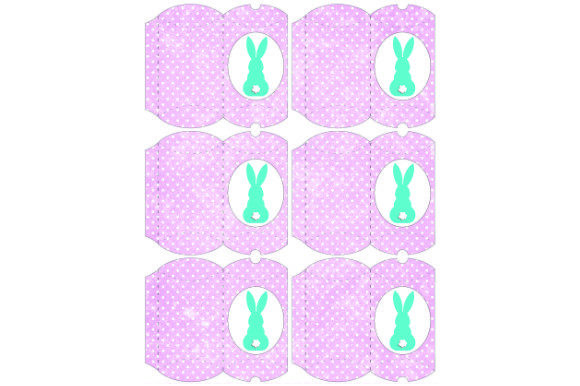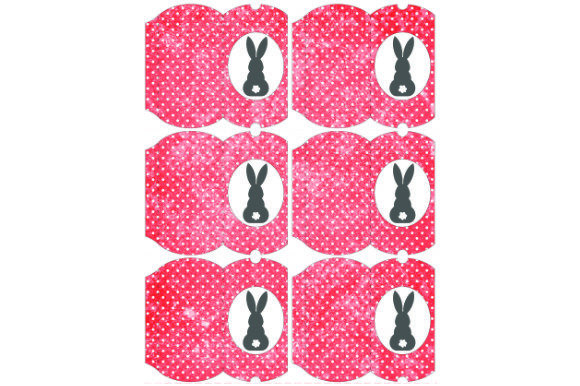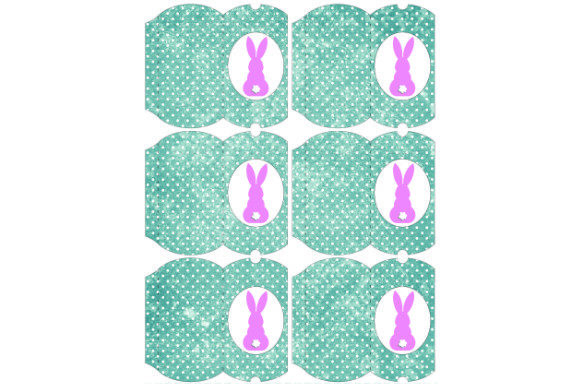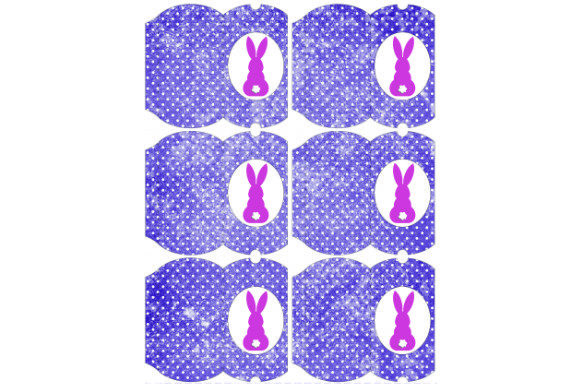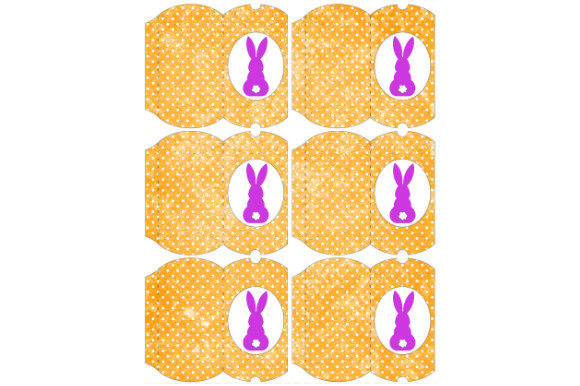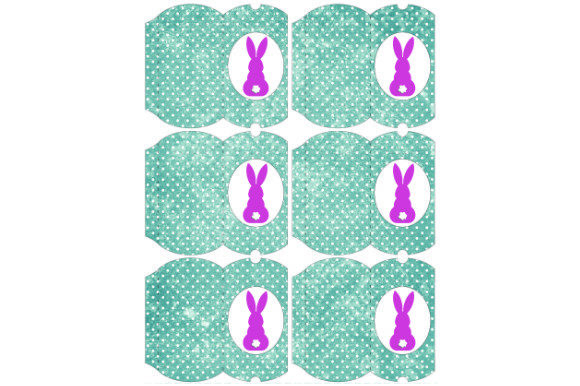
Pillow Boxes Bunny B.18: A Designer's Practical Review
As someone who spends most of their day staring at stitch simulations and managing client expectations, I approach every new machine embroidery design with a healthy dose of skepticism. We have all seen those adorable digital previews that look perfect on a screen but turn into a thread-breaking nightmare once they hit the hoop. That is why I took a close look at Pillow Boxes Bunny B.18 before committing it to any real-world embroidery project. While the product description highlights its use as a set of six tiny, printable Gift Boxes for parties and showers, my interest lies in how this aesthetic translates when applied to textiles and wearable goods.
First Impressions and Visual Personality
The immediate takeaway from Pillow Boxes Bunny B.18 is its undeniable charm. The theme leans heavily into soft, celebratory vibes, making it an instant candidate for spring collections, baby-related items, and boutique gifting. Visually, the layout feels balanced, avoiding the clutter that often plagues smaller designs. When you are working with tiny elements, clarity is king. This design seems to understand that spacing is just as important as the imagery itself. For a designer, this suggests a lower risk of thread breaks caused by overly dense stitching in confined areas, provided the stitch density has been optimized correctly by the digitizer.
The mood created here is gentle and inviting. It is not aggressive or overly bold, which means it fits best on products where subtlety adds value. Think of a high-end linen tote or a soft cotton onesie rather than a heavy-duty work apron. The visual personality of Pillow Boxes Bunny B.18 speaks to customers who appreciate handmade details without the flashiness of large, saturated logos.
Real-World Application Scenarios
To truly evaluate this asset, I imagined a specific scenario: a small shop owner preparing for a busy Easter season. They need to create a cohesive line of personalized gift items that stand out on an Etsy shelf or at a local craft fair. In this context, Pillow Boxes Bunny B.18 shines as a versatile element. Imagine stitching this onto a neutral-colored tote bag design intended for carrying brunch items or garden tools. The contrast between the whimsical bunny motif and the utility of the bag creates a delightful juxtaposition that drives sales.
Another strong use case is baby embroidery. Parents are always looking for unique items for nurseries or shower gifts. Applying this design to a muslin swaddle blanket or a structured bib could elevate a standard item into a keepsake. Because the original product is described as a "tiny" box, the scale of the embroidery likely mirrors this delicacy. This makes it perfect for pocket placements on children's cardigans or as a central motif on a decorative pillow cover. It adds that touch of professionalism that tells a customer, "This was made with care," rather than mass-produced indifference.
For those running a craft business, consistency is key. If you are selling a range of holiday items, using Pillow Boxes Bunny B.18 across different mediums—like kitchen towels, aprons, and even embroidered patches—helps build brand recognition. Customers begin to associate that specific bunny style with your shop's quality. It becomes a signature element of your finished product lineup.
Technical Considerations and Fabric Compatibility
However, enthusiasm must be tempered with technical reality. Not every fabric plays nice with every embroidery file. Since Pillow Boxes Bunny B.18 appears to feature fine details, caution is required when selecting your materials. On textured fabrics like heavy terrycloth or waffle weave, small details can get lost or distorted. The needle might struggle to penetrate uneven surfaces, leading to registration issues where the satin stitch edges do not meet the fill stitch centers perfectly.
Stretchy fabrics present another challenge. If you plan to use this on a fitted t-shirt or a stretchy knit cap, your choice of stabilizer becomes critical. Without proper backing, the design could pucker over time, ruining the clean lines that make this bunny motif so appealing. For curved surfaces like caps, ensure the hoop size you are using accommodates the design without forcing the fabric to stretch unnaturally within the frame. A distorted bunny is rarely a selling point.
Dark fabrics require special attention regarding thread colors. If the design relies on light pastels, you may need to run an underlay stitch or even a white base layer to prevent the garment color from showing through and muting the vibrancy of the bunny. Always test your thread color contrast on scrap fabric before stitching on the final piece. What looks good on a bright white mockup might vanish against a navy blue sweatshirt.
Enhancing Product Value and Customer Trust
Ultimately, the goal of using a design like Pillow Boxes Bunny B.18 is to increase the perceived value of your handmade product. When a customer sees crisp, clean stitching with no loose threads or gaps, their trust in your brand skyrockets. This design, when executed well, signals attention to detail. It suggests that the creator cares about the aesthetics of the commercial embroidery work, not just the speed of production.
In the world of online selling, visual appeal drives clicks. Using this design in your printable mockup photos can help potential buyers visualize the end result. Whether you are selling physical goods or digital embroidery file assets, the presentation matters. A well-stitched sample of Pillow Boxes Bunny B.18 can serve as a powerful marketing tool, demonstrating your capability to handle delicate, detailed work.
Practical Notes for the Professional Maker
Before you dive into a full production run, here are a few non-negotiable steps for working with this type of design:
- Test on Scraps: Never skip the trial run. Use the same fabric and stabilizer combination you plan to use for the final item to check for puckering or thread breaks.
- Check Licensing: While the product is marketed for gift-giving and favors, always confirm the license terms if you intend to sell finished items or include the design assets in a digital bundle. Commercial rights vary by creator.
- Inspect Small Details: Zoom in on your machine's preview screen. Look for tiny connecting stitches or complex corners that might need manual editing in your digitizing software.
- Verify File Formats: Ensure the embroidery file format matches your machine. If the product is listed primarily as a 3D SVG for printing, double-check that a compatible stitch file (like PES, DST, or EXP) is included or available for embroidery use.
- Consider Washability: If the finished product is meant to be washed frequently, like a kitchen towel or baby clothes, ensure the stitch types used (likely a mix of running stitch and fills) are durable enough to withstand laundering without fraying.
In conclusion, Pillow Boxes Bunny B.18 offers a sweet, versatile aesthetic that fits well within the current market for personalized and boutique goods. However, its success relies entirely on the skill of the operator and the suitability of the chosen materials. By respecting the technical limitations of small-scale embroidery and prioritizing quality control, you can transform this cute digital concept into a tangible asset that boosts your small shop product line and delights your customers.