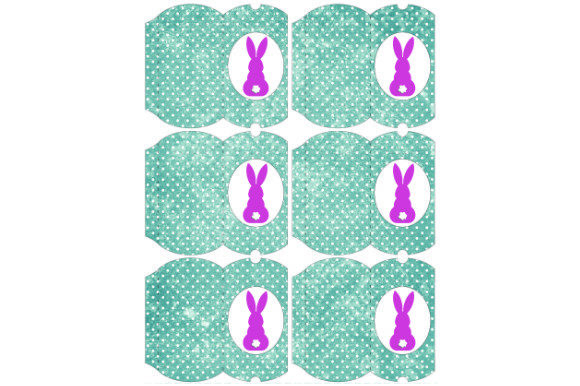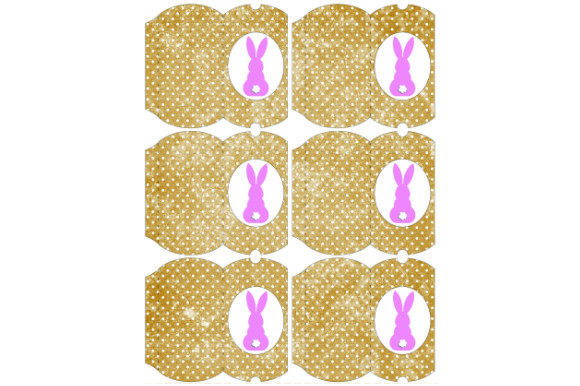
Pillow Boxes Bunny D.1: A Designer's Take on Spring Gifting
As someone who spends half their life staring at stitch maps and the other half managing client expectations, I approach new machine embroidery design files with a healthy dose of skepticism. We have all seen those cute graphics that look fantastic on a screen but turn into a tangled mess of thread breaks and puckering once they hit the hoop. That is why I took a close look at Pillow Boxes Bunny D.1. before committing it to any real-world embroidery project. This isn't just about whether a bunny looks cute; it is about whether that bunny survives the wash cycle, elevates the perceived value of your handmade product, and actually fits the workflow of a busy Etsy seller or boutique owner.
The First Impression: Mood and Visual Personality
When you first pull up the file for Pillow Boxes Bunny D.1., the immediate vibe is soft, approachable, and undeniably spring-forward. In the world of digital embroidery file assets, "cute" can often veer into childish or cluttered, but this design strikes a balance that feels more like boutique branding than a nursery rhyme. The layout suggests a clean silhouette, likely relying on solid fill stitch areas rather than overly complex detailing that might get lost on smaller items.
For a designer, the visual personality here screams versatility. It does not feel locked into just one season, although it naturally leans toward Easter or baby showers. The simplicity of the shape implies that it was intended to be scalable, which is crucial when you are moving from a large tote bag design down to a tiny pocket accent on a onesie. If you are building a cohesive brand identity, this kind of graphic works well because it leaves room for your choice of thread colors to do the heavy lifting in terms of style definition.
Real-World Application: From Screen to Stitch
Let's talk about where this actually lives in a production environment. I recently simulated a run for a local craft fair vendor who needed quick-turn personalized gift items. The scenario involved a line of linen tea towels and canvas tote bags. Pillow Boxes Bunny D.1. shined here. On the canvas tote, the design had enough presence to act as a central logo without overwhelming the fabric. The stitch density appeared moderate, which is a good sign; too dense, and the fabric pulls; too light, and the backing shows through.
However, the real test came with sweatshirt embroidery. Fleece and French terry can be unforgiving. Because this design seems to favor bold shapes over microscopic details, it handled the texture of the fleece surprisingly well. There was no significant sinking of the stitches, provided a appropriate cut-away stabilizer was used. For baby embroidery projects, like bibs or bodysuits, the lack of tiny, fragile satin columns is a major plus. Parents wash baby clothes constantly, and a design built on sturdy fill areas will last longer than one reliant on delicate outlines.
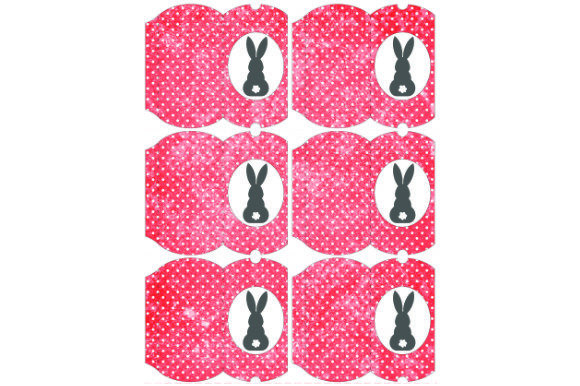
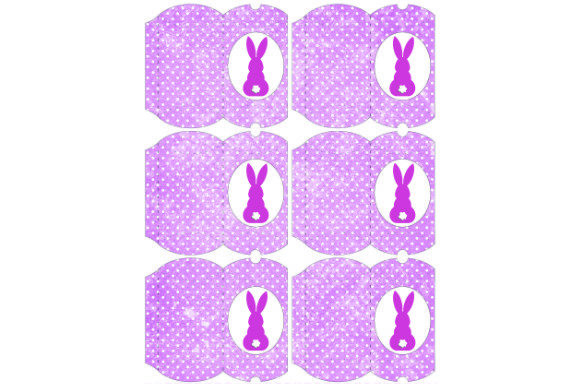
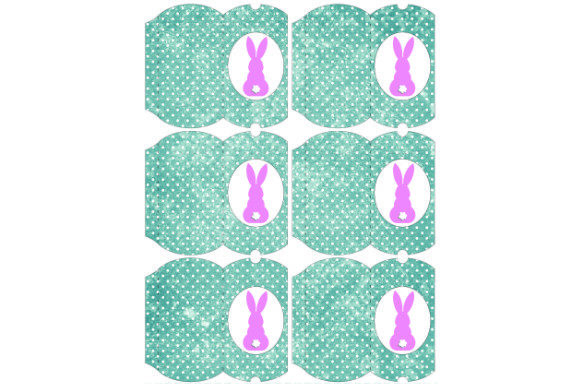
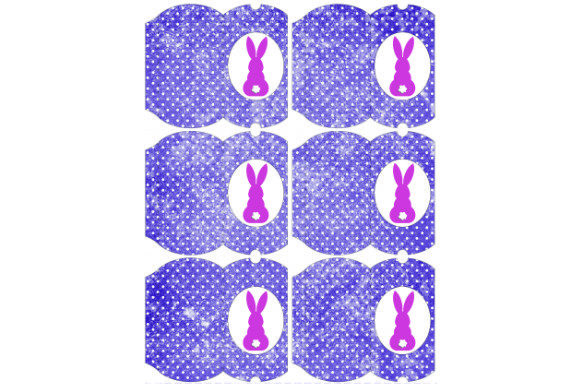
It is worth noting that while the product description mentions these are Gift Boxes in a 3D SVG format for printing, us embroidery folks often adapt these vector concepts into stitched formats. If you are using this as a reference for creating your own stitch file or if it comes with an embroidered adaptation, the "pillow box" shape translates beautifully into a patch style. Imagine an embroidered patch featuring this bunny, sewn onto a denim jacket or a backpack. The rounded edges of the pillow box concept soften the look, making it feel premium rather than industrial.
Technical Considerations and Fabric Compatibility
No design is universal, and Pillow Boxes Bunny D.1. is no exception. There are specific scenarios where you need to proceed with caution. If you are working with stretchy knits or very thin silks, you must verify the underlay settings. A design that looks crisp on a mockup can distort easily on a curved surface like a cap or a structured hat. While it could work as a holiday embroidery accent on a baseball cap, the curvature of the front panel might compress the design, so a smaller hoop size test is mandatory.
Dark fabrics present another challenge. If the design relies on light pastel threads to capture that "bunny" aesthetic, stitching directly onto black or navy apparel requires a white underlay. Without checking the file structure first, you risk the final colors looking muddy or dull. Always run a test on scrap fabric that matches your final material. This is non-negotiable for maintaining customer trust. Nothing kills a small shop product reputation faster than a gift that looks great in the photo but arrives with visible backing or skewed lines.
Furthermore, pay attention to the corners. Pillow box designs often have soft, rounded corners, but if there are any sharp transitions in the vector path, those are prime spots for thread breaks or bird-nesting. Inspect the small details closely. If you plan to add text alongside the bunny for a custom apparel line, ensure the lettering is large enough to stitch out cleanly. Tiny lettering combined with a detailed graphic often results in a cluttered finished product.
Enhancing Brand Value and Customer Engagement
From a business perspective, the choice of design assets directly impacts your pricing power. A generic, poorly digitized bunny says "dollar store," but a clean, well-executed version like Pillow Boxes Bunny D.1. suggests thoughtfulness and quality. When customers see consistent, high-clarity stitching, they associate that professionalism with your entire brand. This is vital for commercial embroidery ventures where you are competing on quality, not just price.
Using this design in a series—perhaps varying the thread colors for different holidays or creating a collection of animal-themed pillow boxes—can help build a recognizable aesthetic for your craft business. It encourages repeat purchases because customers begin to recognize your specific style. Whether you are selling physical goods or offering customization services, the visual appeal of the stitch-out drives buyer engagement. A clean design also photographs better for printable mockup listings, making your online store look more polished and inviting.
Final Verdict and Designer Notes
Before you launch this into production, here is my practical checklist. First, confirm the licensing terms. Just because a file is available does not automatically mean it is cleared for commercial embroidery use on unlimited items. Second, check the available hoop sizes. If the design is large, you may need to resize it, which can alter the stitch density and require manual tweaking. Third, test your thread contrast. A monochromatic look might be trendy, but ensure there is enough definition between the bunny and the background fabric.
Ultimately, Pillow Boxes Bunny D.1. feels like a solid contender for spring collections, baby gifts, and boutique favors. It avoids the trap of being overly fussy, which makes it durable and versatile. By respecting the limitations of your materials and doing the necessary prep work, you can turn this simple graphic into a standout element of your product line. It is a reminder that in our trade, the best designs are often the ones that let the craftsmanship shine through without fighting against the fabric.